Backroads to the Blue: Secret Ocean Overlooks
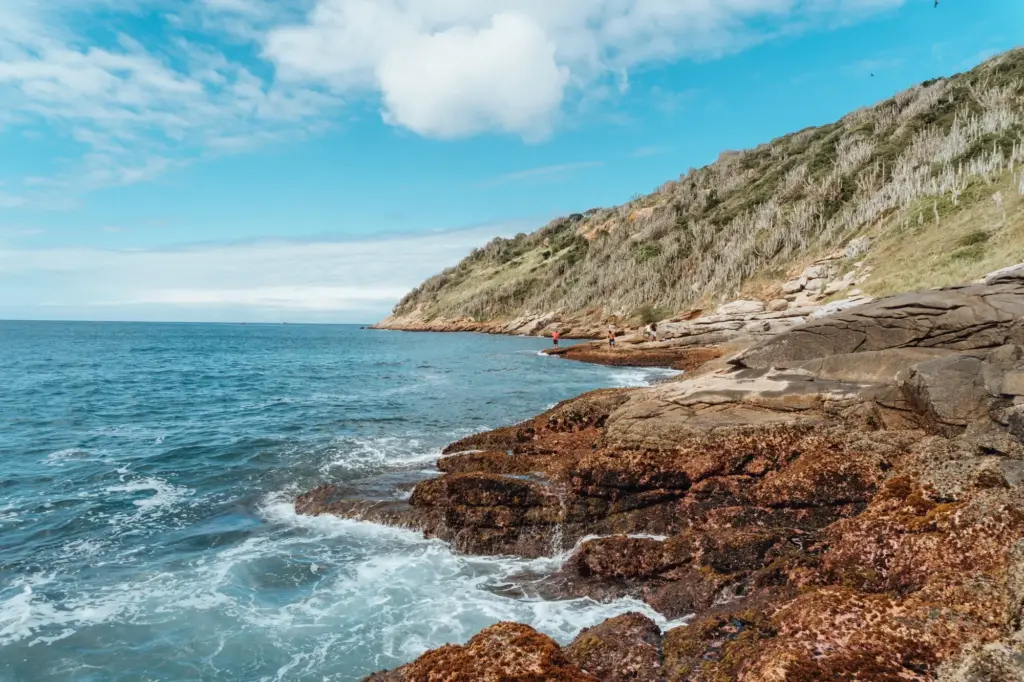
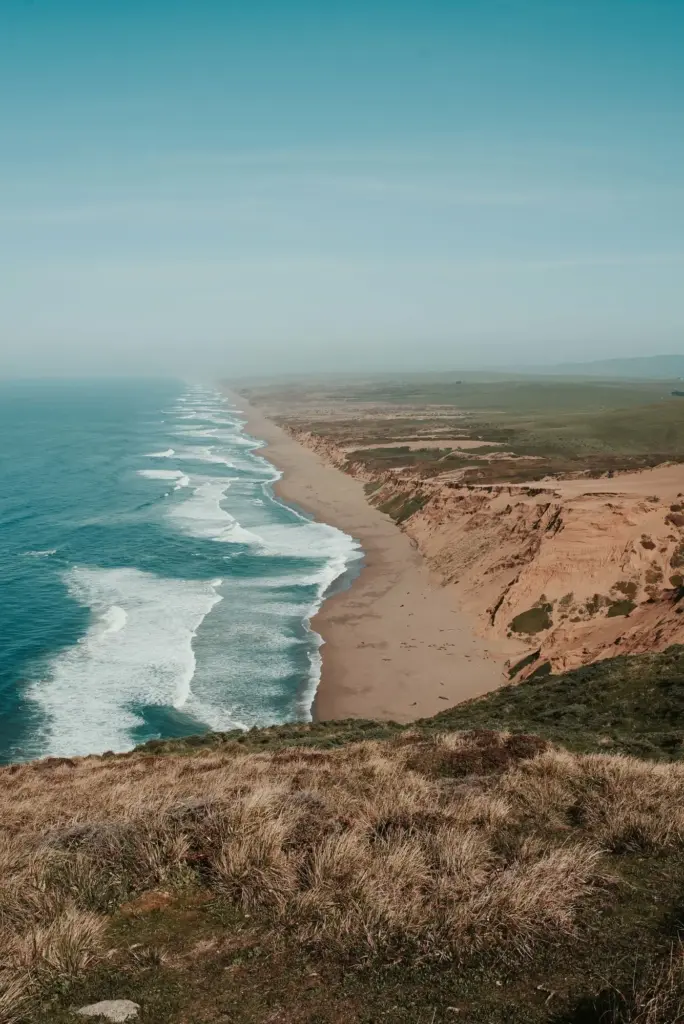
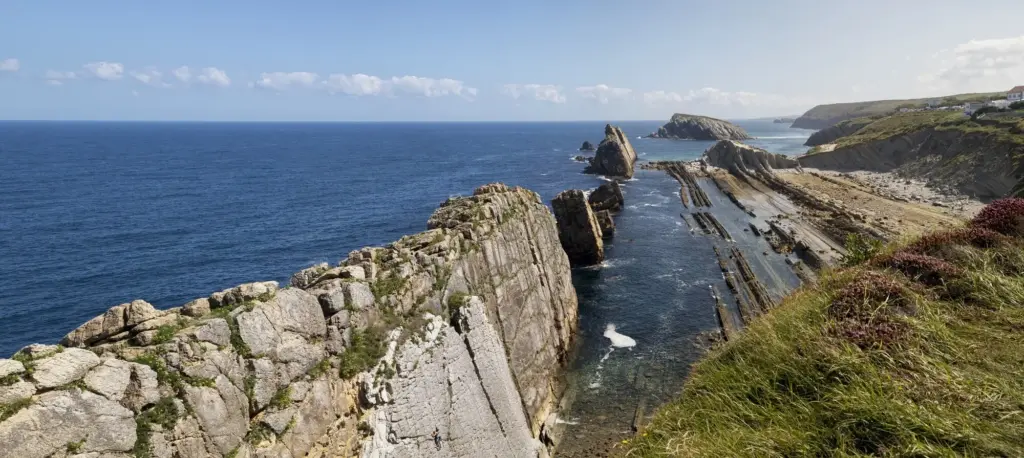
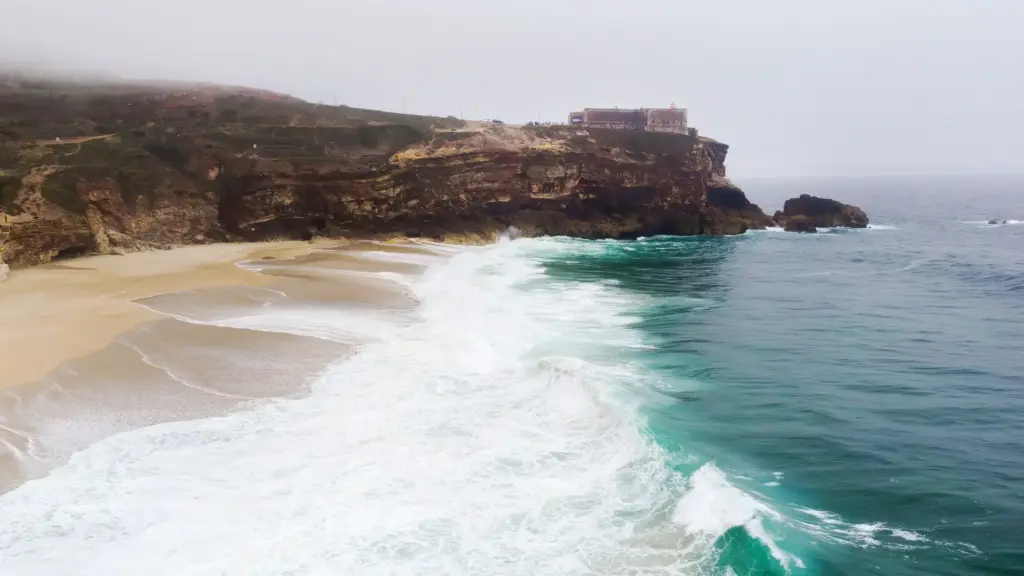
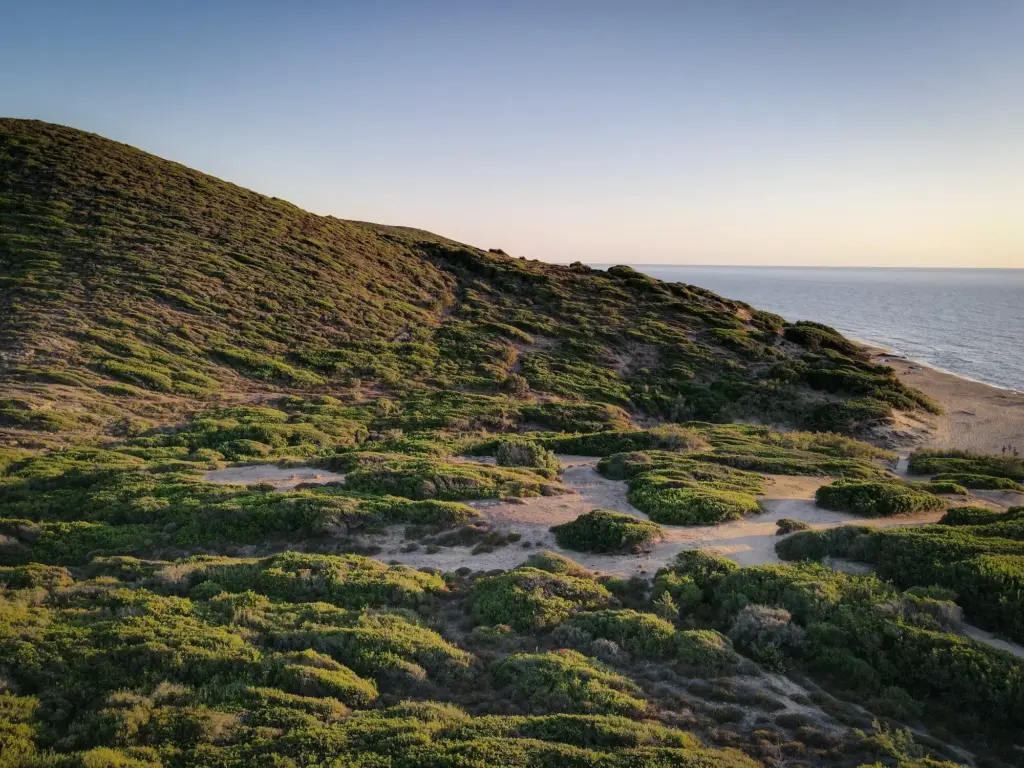
Slip off the highway and follow the ribbon of cracked asphalt to wind-swept pullouts, tide-silvered cliffs, and sky-wide horizons. Today we roam Backroad Ocean Overlooks—quiet perches where sea and solitude meet—sharing practical routes, safety wisdom, stories, and stewardship so your next detour delivers goosebumps, not guesswork. Bring curiosity, patience, a thermos, and a healthy respect for weather, tides, and locals. Together we’ll trade crowds for salt air and discover edges that feel like first light.

Finding Your Own Edge of the Map

Past the last gas station and the blinking end of cell towers, navigation becomes part skill, part listening. Understanding how ridgelines, river mouths, old farm tracks, and windbreaks align with the sea helps you anticipate where the land might rise to reveal water. We’ll balance curiosity with caution, using legal access points and kind conversations with locals to stitch together humane routes toward cliffside vistas that feel earned rather than stumbled upon.

Reading the Coastline Like a Story

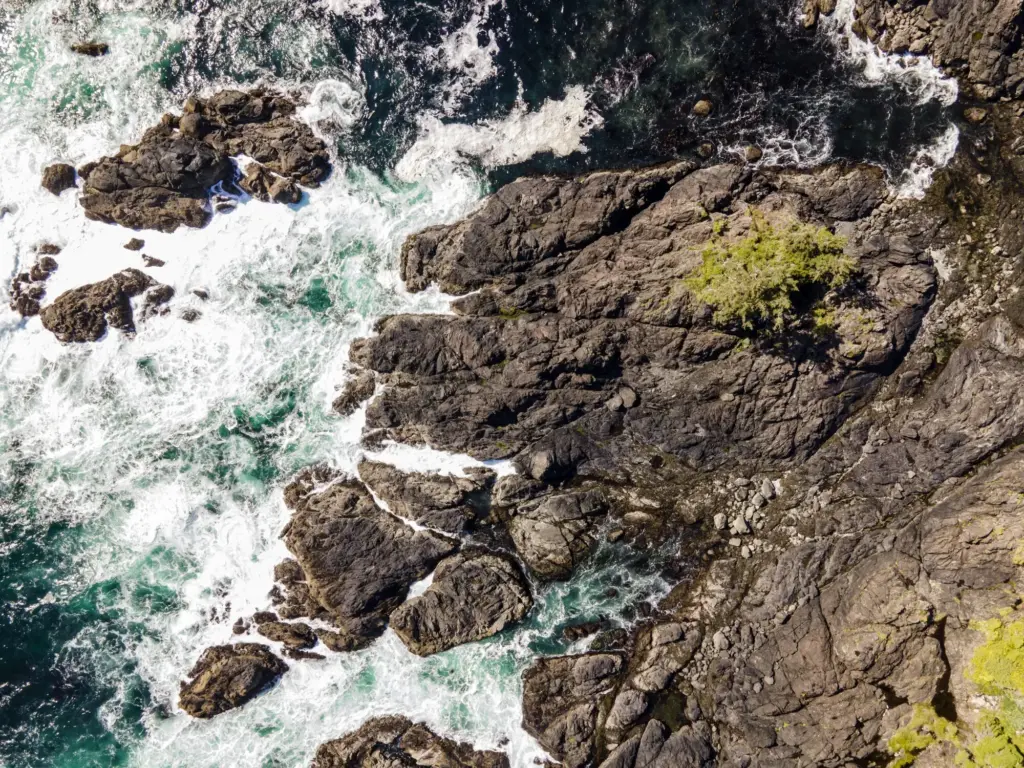
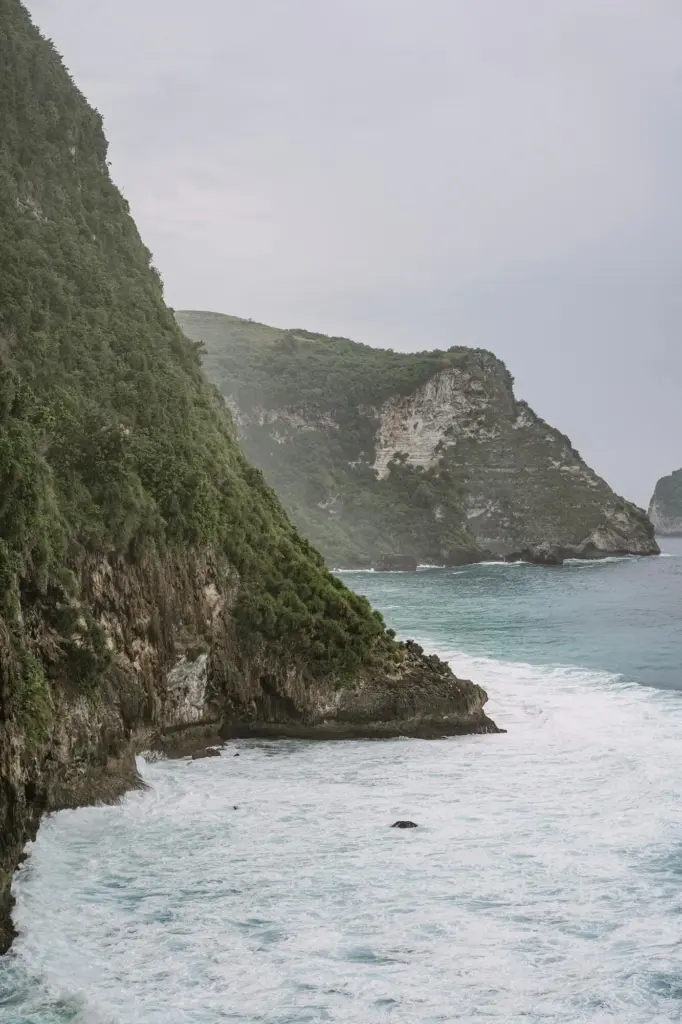
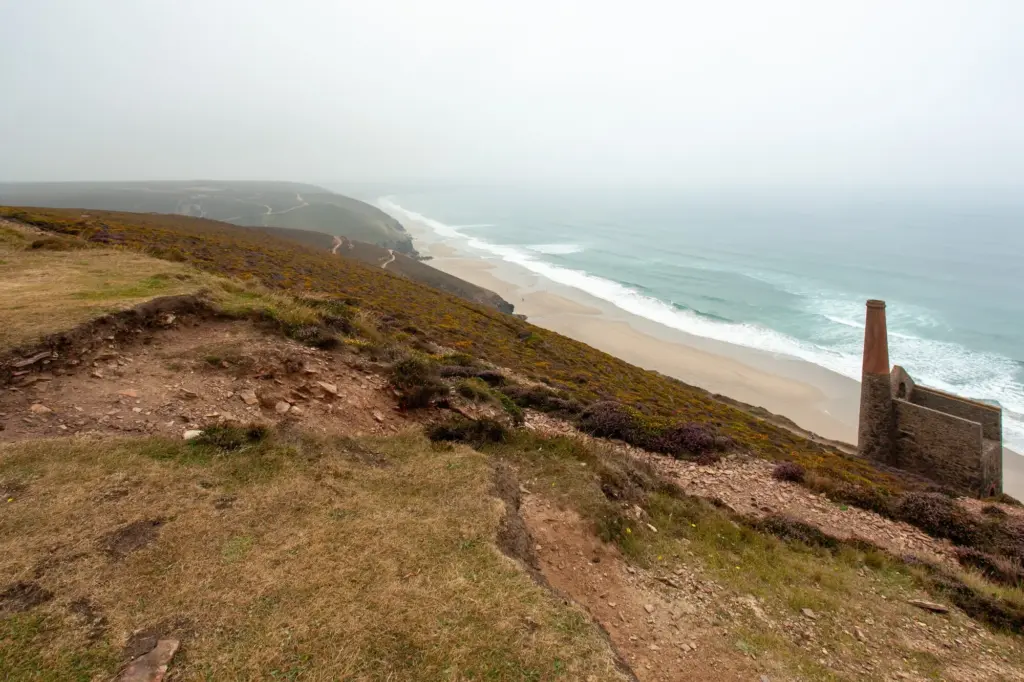
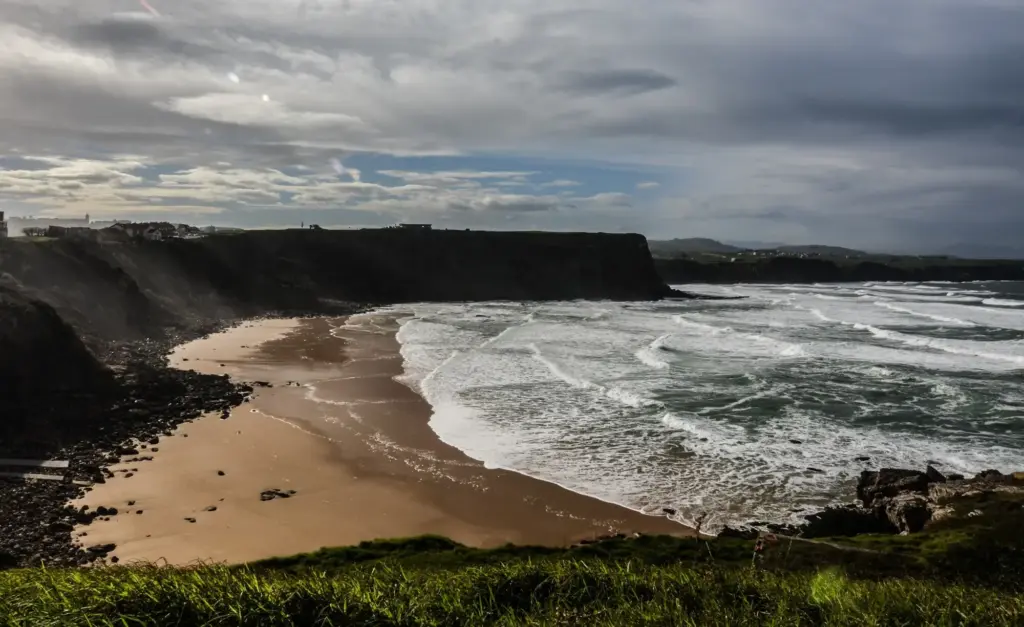
Coastlines tell on themselves through patterns: headlands jut where harder rock resists waves, while coves scallop into softer layers. Trace contour lines tightening on maps to spot potential overlooks, and notice names—Point, Bluff, Battery—hinting at elevation. Combine those clues with prevailing winds and sun angles to guess where grasses bend, fog lingers, and the ocean opens like a stage curtain from a simple bend in a weathered road.

Paper Maps, Apps, and Dead Zones

When reception fades, tactile tools shine. Print sectional maps, mark public lands, and preload offline tiles. Cross-reference satellite imagery with topographic layers to find breaks in tree cover and ribbons of coastline without trespassing. Keep a simple compass in your glovebox, noting that west-facing bluffs change personality by hour. Technology helps you plan, but redundancy—and humility—keeps you from confusing a farmer’s track with a lawful coastal access road.

Safety First on Narrow Lanes and Clifftops

Photography and Light at the Edge of Water

Sea horizons rearrange themselves hourly, so patience beats megapixels. Learn how swell refracts light, how sea haze turns noon into diffused silver, and why the hour after sunrise can spotlight kelp lines like calligraphy. Position above waves to compress glints, or drop lower to mirror sky in tide pools. We’ll protect gear from salt, compose with humility, and chase not just spectacle, but the quiet geometry where coastline, cloud, and memory intersect.

Golden Hours Above Swell Lines

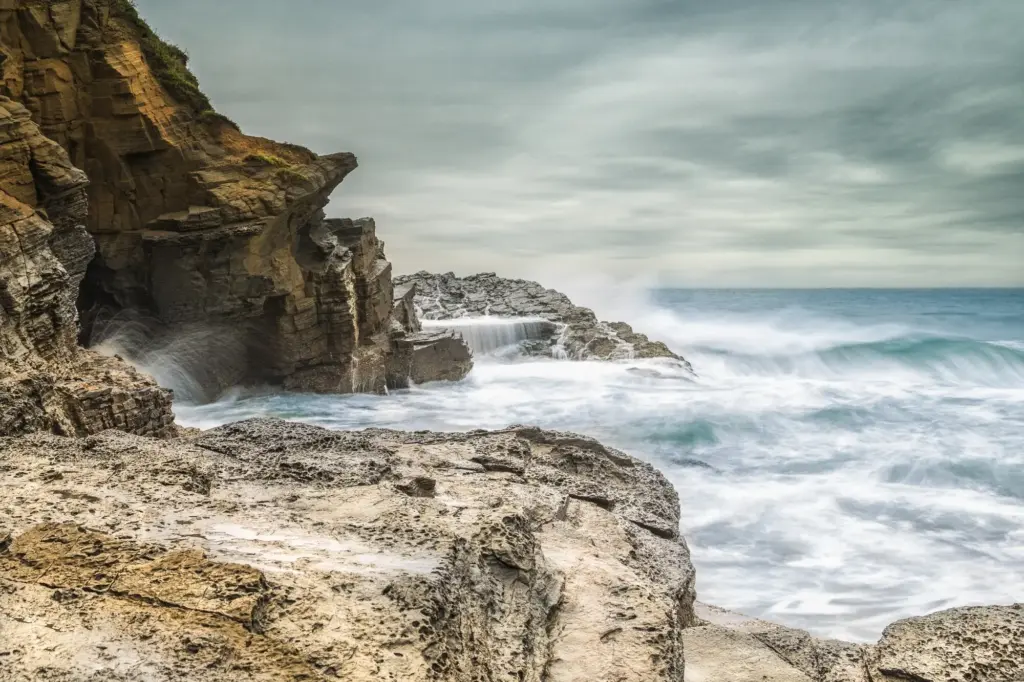
At dawn, cooler air mutes shimmer, letting cliffs glow while the ocean holds steel blues; at dusk, warm backlight scallops waves with copper edges. Scout compositions midday to return when the sun angles flatter across texture. Use longer lenses to layer headlands into atmospheric stacks, or an ultra-wide to cradle both cove and sky. Bracket exposures judiciously, then let one frame breathe—imperfection often holds the truer sense of breeze and time.

Wind, Salt, and Gear Care

Salt is invisible until corrosion appears. Keep a microfiber cloth in a resealable bag, rinse tripods with fresh water, and rotate filters gently to avoid grinding crystals into threads. Shield lenses with your body against spray, and use image stabilization sparingly on sturdy supports. In gusts, hang a small bag from your tripod to damp vibrations. At day’s end, wipe seals, crack open battery doors in a warm room, and let moisture flee.

Compositions That Honor Place

Frame to celebrate scale without courting risk: a fence post, wind-stressed cypress, or weathered mile marker can anchor foreground, implying proximity without tiptoeing toward an edge. Leave footprints out of sand flats when possible, and wait for clouds to balance horizon weight. Consider storytelling sequences—approach, overlook, detail—rather than a single postcard. Most importantly, ask whether sharing a precise vantage could harm habitat or overwhelm tiny roads before broadcasting coordinates online.
History Whispering From the Headlands
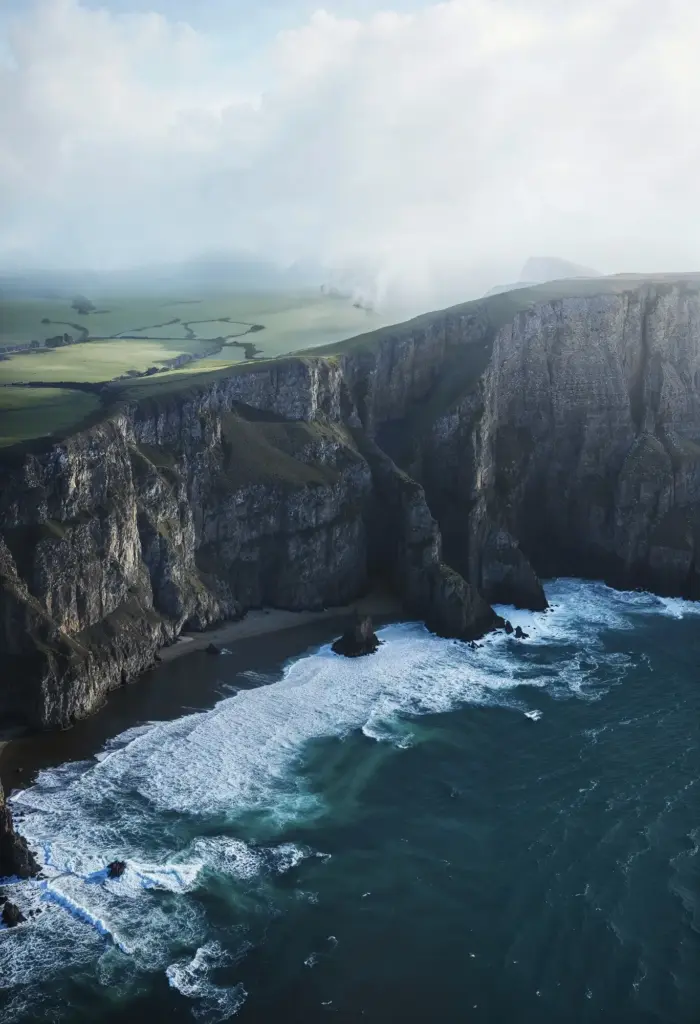
Every overlook sits on stories: wagon roads hugging bluffs to avoid marshes, lighthouse keepers counting foghorn pulses, communities stewarding shorelines for millennia. As we gaze outward, we also look back, listening for evidence in place names, stacked rock, iron rings, and orchard ghosts. Honoring layered histories deepens wonder, inviting gratitude and responsibility. Let curiosity lead gently, crediting sources, and seeking local guidance that keeps memory intact while welcoming thoughtful, respectful wanderers.

Tread Lightly, Park Smarter

Choose designated pullouts or firm gravel, never soggy shoulders hiding burrows or utilities. Open and close doors softly in wind, minimize idling, and keep headlights from blasting campsites or wildlife at dusk. On foot, step on durable surfaces—rock, dry grass, established tread—and pause before creating shortcuts. Pack a small trash bag, gloves, and a kindness for whoever arrives next. The best footprint is gratitude carried forward, not evidence under boot heels.

Wildlife and Nesting Seasons

Cliffs and dunes often host nests invisible until a panicked flutter gives them away. Study local calendars for closures, bring binoculars instead of creeping closer, and whisper when colonies raft offshore. Seals, seabirds, and raptors read our presence as pressure; distance is respect. If an animal changes behavior, you are too near—back away and lower your profile. Let your story brag about restraint, proving awe grows stronger when creatures feel safe.

A Traveler’s Notebook: Stories to Keep and Share

Memories sharpen when roads narrow. We’ll sketch vignettes from wind-rattled mirrors, shared thermoses, and improbable partings in fog that suddenly lifted like theater curtains. These small tales teach what guides rarely say: timing is a conversation, not a schedule. Carry a pencil; write while the gulls still circle. Then invite others to trade stories, tip each other toward safe discoveries, and keep the magic alive through patience, kindness, and honest, generous details.

01

A Serendipitous Turn Past a Dairy Farm

The GPS sulked into silence, so we followed the scent of silage and a ribbon of swallows. The lane ended at a sun-warmed fence, and beyond, the ocean exhaled. A farmer waved, pointed us uphill to a public path, and we reached a bench carved with names. The view arrived slow: first wind, then sound, then blue. We left a thank-you note at the café, buying pie we hadn’t planned to eat.

02

The Sunset That Waited Out the Gale

All afternoon, gusts shoved foam like torn lace. We hid behind gorse, sipping soup from a thermos while clouds refused every promise. Then, mercifully, the wind softened and the horizon split, pouring apricot light across black water. Cameras clicked, yes, but so did something inward, quiet as gratitude. Walking back, flashlights bobbing, we laughed at our stubborn patience, thankful we stayed through the ugly minutes that made the beautiful ones matter.

03

Inviting Others Into the Journey

Tell us about the overlook that surprised you—the sound, the smell, the unplanned kindness that opened a gate of understanding, not property. Share lessons learned, coastal regions you love, and what you pack now that you never did before. Subscribe for route ideas, tide-savvy timing, and respectful ways to explore. Comment with questions, or send a note; we’ll answer thoughtfully. Together, we can trade coordinates of care more valuable than pins.

Darisiralentoviromori
Privacy Overview

This website uses cookies so that we can provide you with the best user experience possible. Cookie information is stored in your browser and performs functions such as recognising you when you return to our website and helping our team to understand which sections of the website you find most interesting and useful.