Wake to Waves: Camping and Overnight Parking by Cliff-Top Sea Vistas
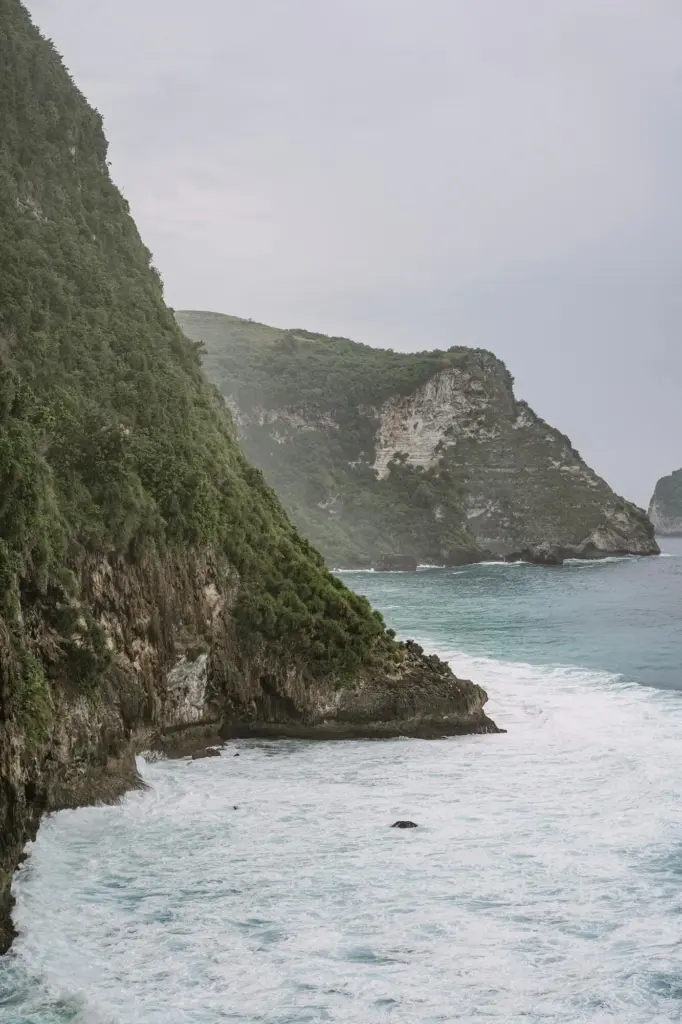
Set your compass for solitude and spray. We explore camping and overnight parking near cliff-top sea views, helping you balance freedom with responsibility, safety with wonder. Expect practical guidance, lived stories, and respectful etiquette so your sunrise coffee, ocean roar, and starlit horizons remain unforgettable—and accessible for everyone who loves wild coasts.

Know the Rules Before You Park

Coastlines are governed by overlapping rules from municipalities, harbor authorities, parks, and private owners. Before you settle in, research bylaws, camping designations, and vehicle restrictions. A quick stop at the visitor center or polite chat with a ranger can prevent fines, protect fragile habitat, and keep these cliffside privileges open.

01

Decode Coastal Regulations

Not all coastlines allow sleeping in vehicles or pitching shelters above the surf. Some limit stays to self-contained vans; others ban stoves during drought. Learn how jurisdictions define camping, parking, and day use, so your sunset spot does not become an unpleasant midnight knock.

02

Permits, Time Limits, and Quiet Hours

Many scenic pullouts require permits or enforce strict night windows to balance access with conservation. Track maximum stay lengths, rotating lay-bys, and seasonal closures. Respect quiet hours, headlight etiquette, and generator bans to keep neighbors, wildlife, and waves the only soundtrack after dark.

03

Reading the Land: Signs, Barriers, Local Clues

Small details carry big meaning at the edge. Wheel stops, fresh posts, or wind-felled fences may indicate erosion zones off-limits for safety. Ask anglers, surfers, or café owners where people responsibly stay, and avoid tight residential lanes where vans strain goodwill.

Setting Up a Safe, Wind-Wise Camp

Clifftops magnify weather, funnelling gusts and salt into anything poorly secured. Prioritize low-profile shelters, stable vehicle positioning, and gear that shrugs off spray. A thoughtful setup keeps you warm, protects views for others, and prevents an unexpected squall from turning sunrise dreams into midnight chaos.

Anchoring Tents Above the Swell

Stake deeply in mineral soil, not fragile plants, and back up anchors with sandbags or filled drybags tied low. Orient doors away from prevailing winds. Keep a conservative setback from the edge, because gusts can lift light gear and create dangerous distractions near exposure.

Leveling Vans on Uneven Ground

Carry robust leveling blocks and avoid stacking rocks that damage habitat or slip unexpectedly. Park nose to wind for stability and quieter sleep. Chock wheels, drop the handbrake only when safe, and confirm morning exit paths before night fog reduces visibility and options.
Reading Sky, Tide, and Stone

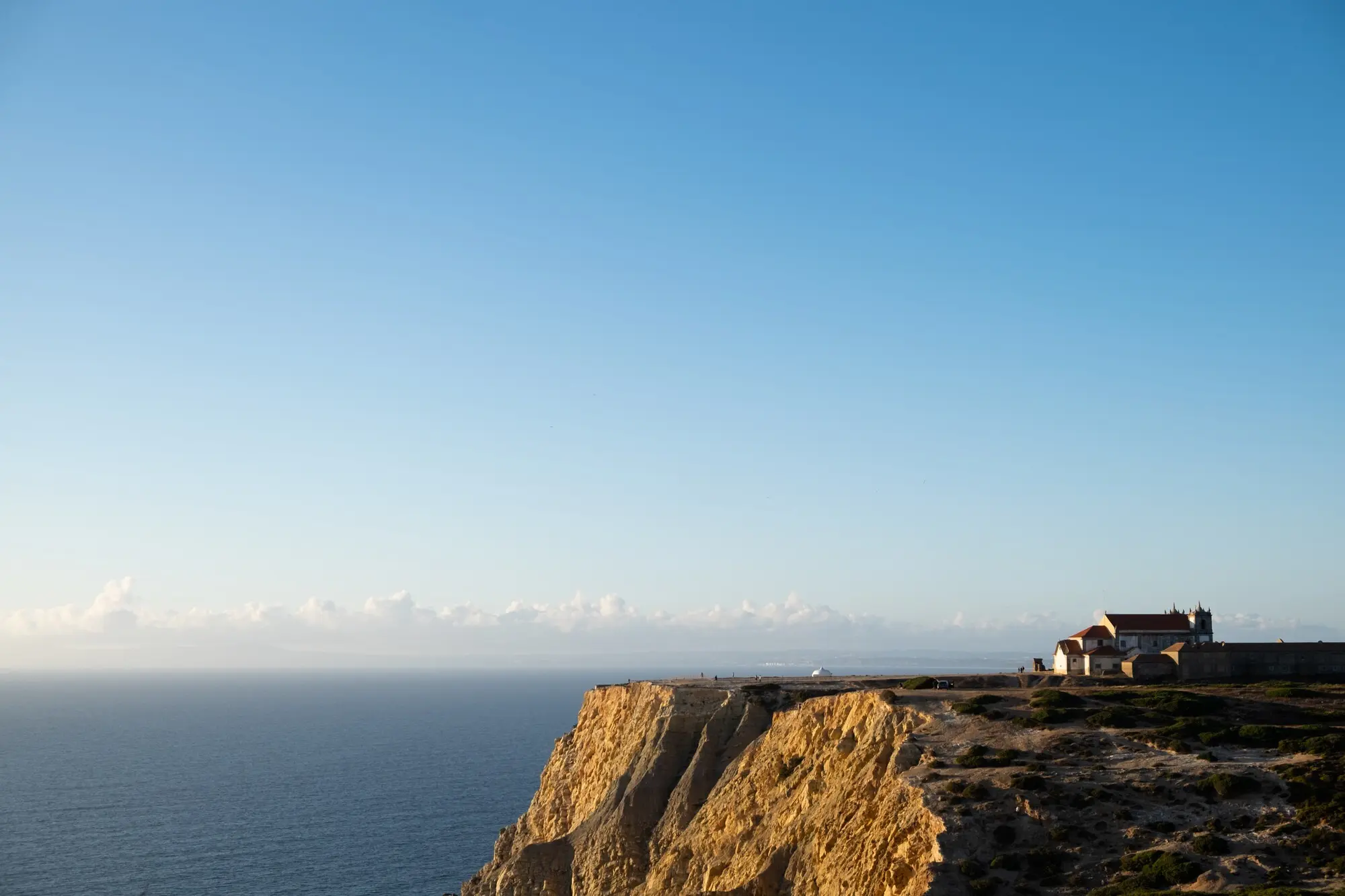
Coastal nights reward planners. Wind shifts, fog banks, spring tides, and unstable strata can transform a perfect overlook into risk. Learn to interpret forecasts and local geology so your starry retreat remains peaceful, with the ocean’s rhythm celebrated from a respectful distance, never challenged.

Wind and Gust Awareness

Check not only speed, but direction, gust factor, and overnight gradients. Coastal cliffs often accelerate wind as it rises. Secure awnings, collapse pop-tops before bedtime, and keep loose kit inside. Rest beats repair when a squall tears through faster than forecasts hinted.

Tide Tables and Access

Even above the waves, tides can strand walkers, block rescue routes, or soak a low pullout during storms. Carry local tide charts, note surge forecasts, and choose parking with a safe retreat. If water rises quickly, being packed and ready keeps nerves calm.

Comfort, Cooking, and Care for the Coast

Meal smells drift, grease attracts wildlife, and microplastics hide in washed-up tangles. Build routines that satisfy hunger, respect neighbors, and leave shorelines cleaner than found. A tidy camp and thoughtful menu keep gulls curious, not bold, and dawn coffee delicious, not gritty.

Windproof Kitchens and Heat Safety

Use enclosed wind screens and stable stoves on nonflammable surfaces. Keep fuel sealed against salt and store lighters dry. In high fire danger, switch to cold meals or cafés. Warm meals should never risk a flare that alarms rangers, residents, or nesting birds.

Waste, Water, and Greywater

Carry sealable containers for trash and micro-litter, strain dishwater, and pack it out when rules require. Refill at community taps, not fragile springs. Human waste demands discretion, distance, and proper equipment. Your effort safeguards cliffs, sea life, and access for travelers arriving tomorrow.

Stories from the Edge

Sunrises, Framing, and Patience

Arrive early, walk the lines, and choose angles that avoid other campers. A simple foreground—wild thyme, lichened rock, a thermos—anchors scale. Keep shutters ready before the first color; coastal light turns quickly from ember to blaze, rewarding those already breathing salt, waiting quietly.

Long Exposures over Surf

Use sturdy tripods, hang a weight for stability, and shield from wind with your body. Time releases between gusts. Neutral-density filters smooth the sea while sharp cliffs hold attention. Share responsibly, tagging general regions, not fragile pullouts, to balance inspiration with stewardship.

Night Sky, Lighthouses, and Courtesy

Dim screens, respect dark-sky guidelines, and avoid painting vans with stray headlamp beams. If a lighthouse sweeps the bay, embrace the rhythm in your exposure bracketing. Keep conversations soft, brew late tea quietly, and let the hush carry your images home.

Share, Support, and Keep Access Open

These coastlines endure through collective care. Support small businesses, donate to rescue teams, and report hazards respectfully. Trade knowledge without geotagging sensitive spots. Subscribe, comment with your lessons, and tell us where conversation helped you most, so newcomers inherit guidance, not gatekeeping, along bright cliff lines.

Being a Good Neighbor Everywhere

Rotate spots to spread impact, buy pastries locally, and greet early risers with kindness. Offer spare water, lend blocks, and leave firewood neatly stacked where fires are legal. Small gestures secure welcomes tomorrow, proving travelers can be blessings rather than burdens beside the sea.

Reporting Problems Without Drama

If erosion, damaged fencing, or overflowing bins threaten safety or access, notify the appropriate authority calmly, sharing photos and exact locations. Avoid confrontations. Your quiet diligence protects everyone and keeps conversations constructive when policies evolve or crowds grow during peak seasons and holiday weather windows.

Darisiralentoviromori
Privacy Overview

This website uses cookies so that we can provide you with the best user experience possible. Cookie information is stored in your browser and performs functions such as recognising you when you return to our website and helping our team to understand which sections of the website you find most interesting and useful.