Chasing Last Light at the Edge of the Sea
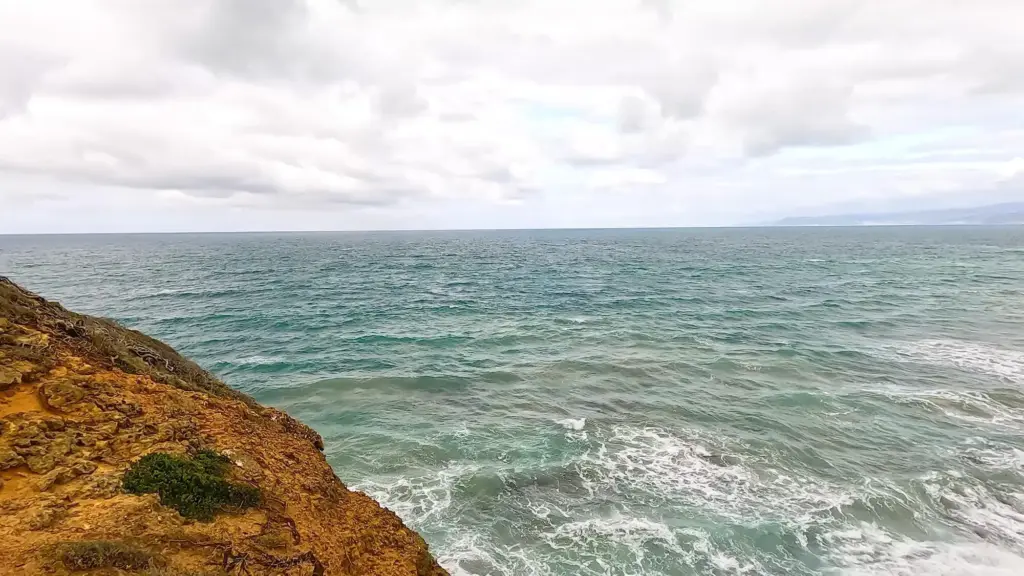
Join us for Sunset Photography Guide to Remote Seaside Lookouts, where we decode light, scout hidden vantage points, brave winds safely, and shape motion with thoughtful technique. Expect actionable steps, field-tested stories, and gentle science that turns guessing into knowing, while nurturing respect for fragile coasts and the people who call them home. Bring curiosity, a sturdy tripod, and a love for quiet horizons; you will leave with a checklist, confidence, and a desire to share, comment, subscribe, and return, chasing color that lingers long after the sun slips beneath the breathing line.

Digital Recon Done Right

Start with Google Earth’s 3D tilt to evaluate cliff height, safe approach lines, and potential foreground rock shelves that won’t vanish at high tide. Cross-check the sun’s azimuth and elevation with PhotoPills or The Photographer’s Ephemeris to predict backlight options and reflective pathways. Add Windy or regional marine forecasts for gust patterns, then scan surf models and buoy data to anticipate spray. Good recon replaces luck with intention.

On-Foot Verification

Arrive early, ideally a day before, to walk the last kilometer in relaxed daylight, testing traction on lichen, gauging exposure to gusts, and noting any crumbly edges that look stable in photos but crumble under boots. Drop waypoints for safe exit points and a backup viewpoint if marine haze swallows the horizon. Sketch rough frames with your phone, mark compass bearings, and time the approach back to the car in darkness.

Respect and Access

Knock on doors, read signage carefully, and treat paths like borrowed trust. If a route crosses private land, ask permission; if it skirts protected habitat, reroute without argument. Stay below vegetation lines to protect fragile cliff flora and nest burrows. Pack out every scrap, tread on durable surfaces, and share images without exact coordinates when a place cannot sustain foot traffic. Beauty deserves boundaries that keep it alive.

Finding the Quiet Cliffs and Hidden Headlands

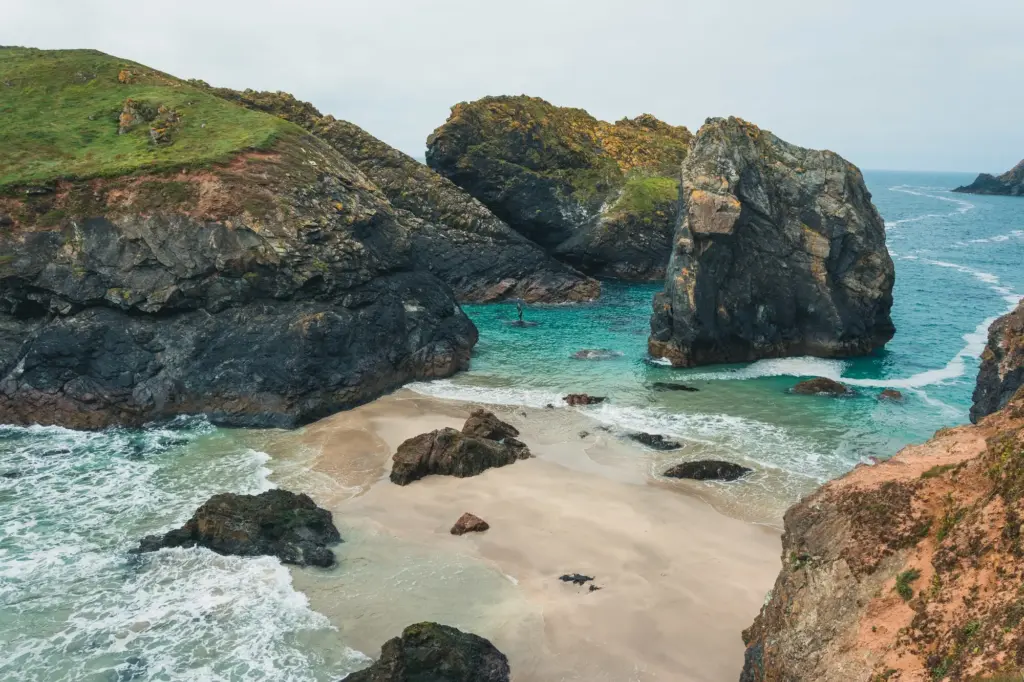
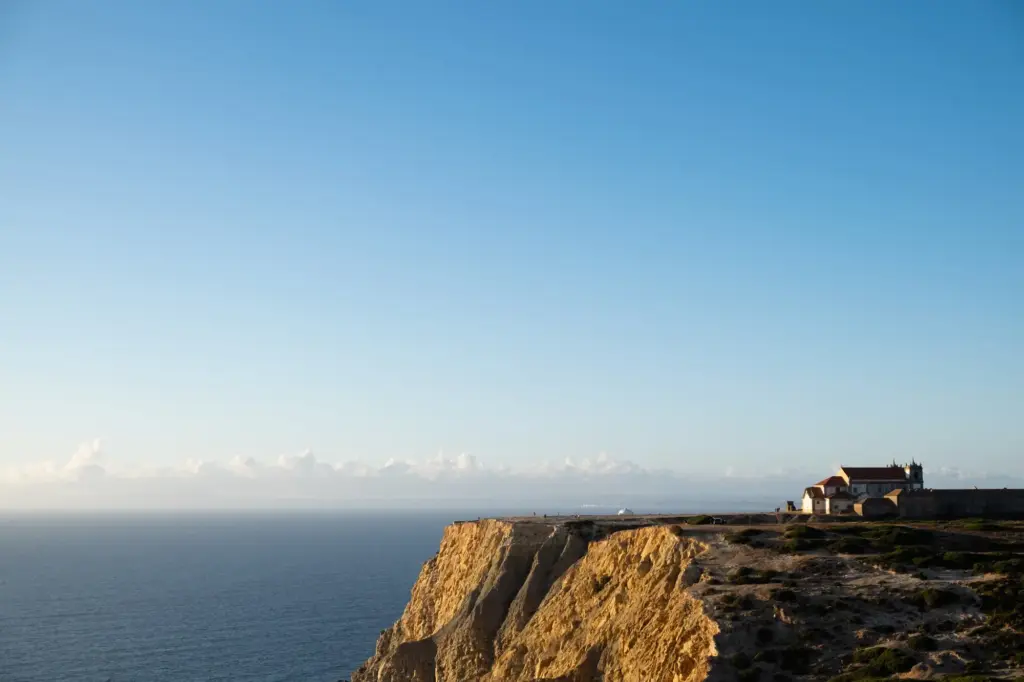
Remote viewpoints reward those who prepare. Use satellite imagery, nautical charts, tide tables, and local trail reports to assess access, orientation, and hazards before you lace boots. Plan seasonal angles using sun-path tools, note parking pullouts, and always budget generous daylight for approaches. Field notes about swell direction, wind shelter, and escape routes become lifelines when fog swallows the path and cliffs echo with spray.

Reading the Sky: Light That Paints the Water
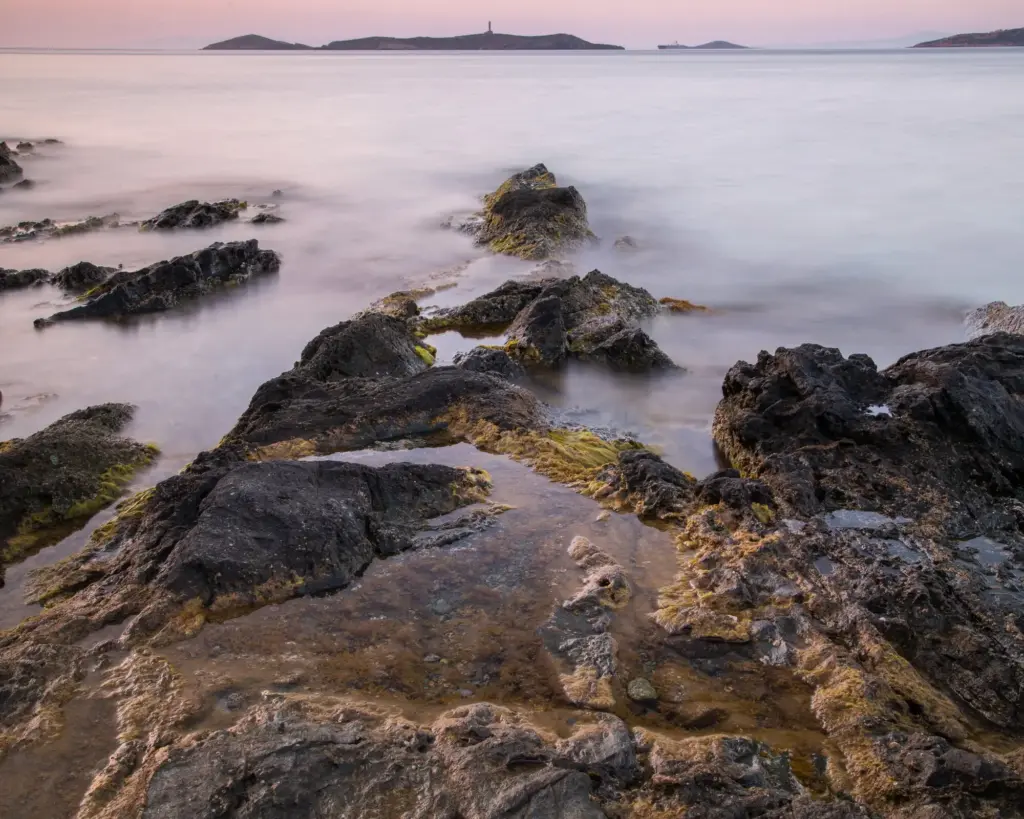
Skies over open ocean shift fast, painted by Rayleigh scattering, salt aerosols, and high-altitude ice. When the sun dips, long wavelengths surge, warming sea cliffs and turning spray into jeweled mist. Learn to read wind-streaked cirrus, altocumulus streets, and stubborn marine layers that smother color. Anticipating glow windows, afterglow timing, and horizon haze separates guesswork from craft and helps you arrive when the water catches fire peacefully.

Golden Hour Versus Blue Hour

Golden hour often arrives with color temperatures hovering between roughly 3500K and 5000K, flattering warm cliffs and tide pools. Blue hour cools toward 8000K or beyond, amplifying reflective calm and deepening cobalt shadows. Golden hour favors texture; blue hour loves silhouettes and quiet symmetry. Track civil and nautical twilight to predict how long reflections will hold, then balance white balance choices deliberately so foam stays believable and skies feel honest.

Cloud Types That Sing at Sunset

High cirrus and cirrostratus often ignite because they float above low haze, catching light from below. Altocumulus fields can ripple like hammered copper when the sun sinks just under the horizon. Stratocumulus sometimes glows on the undersides if gaps open to the west. Watch for wind direction that clears a slot near the horizon, then position for a reflective angle. Even modest clouds amplify drama when the sea mirrors their edges.

Marine Layer and Haze

A shallow marine layer can smother detail yet gift soft, painterly gradients after sunset. Haze scatters blue more than red, often intensifying warm tones while dimming contrast. Use dehaze cautiously, preserving atmosphere rather than stripping mood. Side-light through mist breeds halos around sea stacks and sprays tiny prisms over backlit foam. When the horizon vanishes, switch to intimate frames—rock textures, tidepool reflections, and silhouettes against a pearly sky.

Tools and Techniques for Windy Shores

Stability in Gusts

Splay tripod legs wide, keep the center column down, and hang weight from the hook without letting the bag swing. Shield the setup with your body on the windward side, then use a two-second delay or remote trigger to avoid vibrations. Disable stabilization on a locked tripod to prevent micro-blur, and consider a slightly higher ISO for faster shutter speeds. Sharpness begins with stillness, especially when waves boom beneath your feet.

Filters That Shape Motion

Splay tripod legs wide, keep the center column down, and hang weight from the hook without letting the bag swing. Shield the setup with your body on the windward side, then use a two-second delay or remote trigger to avoid vibrations. Disable stabilization on a locked tripod to prevent micro-blur, and consider a slightly higher ISO for faster shutter speeds. Sharpness begins with stillness, especially when waves boom beneath your feet.

Keeping Optics Clean

Splay tripod legs wide, keep the center column down, and hang weight from the hook without letting the bag swing. Shield the setup with your body on the windward side, then use a two-second delay or remote trigger to avoid vibrations. Disable stabilization on a locked tripod to prevent micro-blur, and consider a slightly higher ISO for faster shutter speeds. Sharpness begins with stillness, especially when waves boom beneath your feet.

Compositions That Carry the Roar and the Whisper
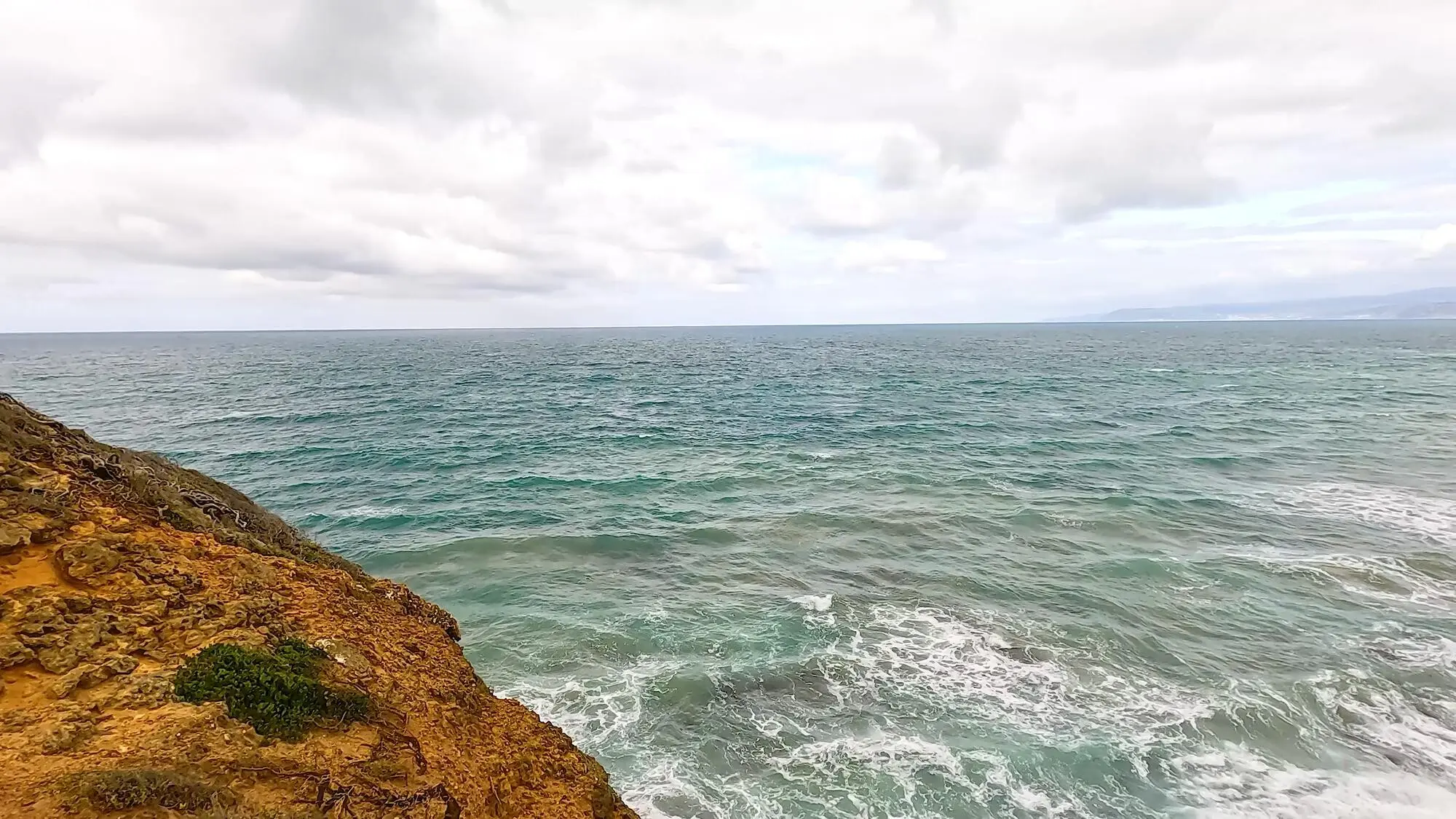
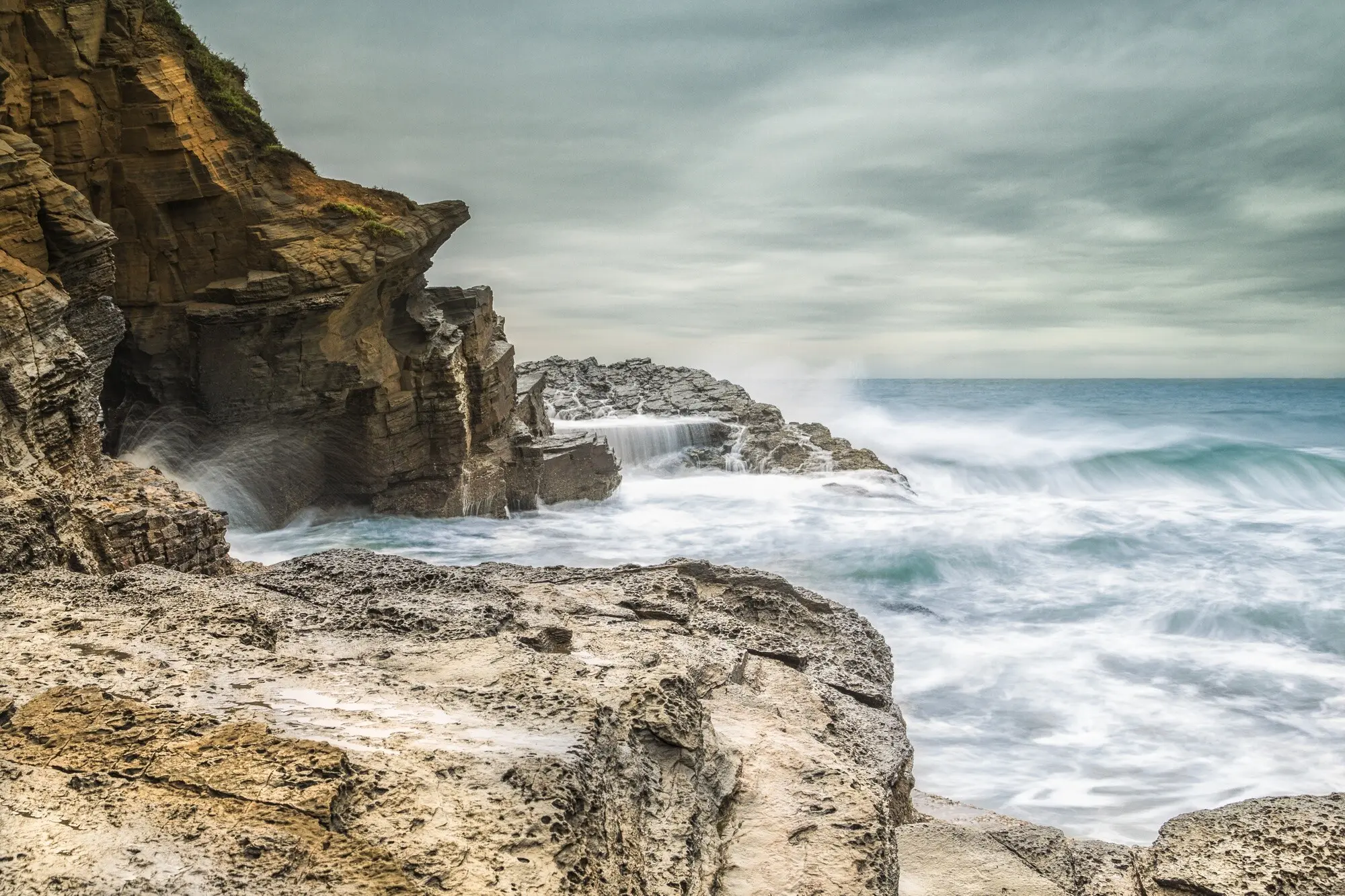
Great frames are invitations to feel wind on cheeks and hear gulls arguing with surf. Seek leading lines in rivulets, diagonal rock strata, and receding foam. Balance the horizon with intention or break rules when reflections demand more sky. Use foreground textures to anchor scale, and let negative space breathe around sea stacks. When color drops, keep shooting; afterglow and first stars can hold a quieter poetry worth sharing widely.

Safety First, Solitude Always

Preparation turns awe into a habit instead of an accident. Check tide tables and swell height, learn local patterns for sneaker waves, and never turn your back to rough water. Tell someone your route, carry a headlamp with spare batteries, and pack a small first-aid kit. Layer for wind chill, bring gloves you can operate dials with, and respect closures for wildlife. Serenity grows best where vigilance keeps everyone welcome and uninjured.

From Raw Tide to Radiant Print

Capture in RAW to preserve delicate gradients, then build a subtle edit that respects how dusk actually felt. Balance white balance for truthful foam, gently lift shadows, and protect warm highlights from plastic oversaturation. Local adjustments can cradle faces of rock and smooth water transitions. Calibrate your display, soft-proof with paper profiles, and export thoughtfully for web. Invite conversation, ask for honest critique, and celebrate prints that breathe in real rooms.
Darisiralentoviromori
Privacy Overview

This website uses cookies so that we can provide you with the best user experience possible. Cookie information is stored in your browser and performs functions such as recognising you when you return to our website and helping our team to understand which sections of the website you find most interesting and useful.