Ride the Edge: One-Day Coastal Clifftop Escapes by Motorcycle
Find the Line: Planning Coastal Routes that Thrill Without Stress
Reading Gusts and Crosswinds
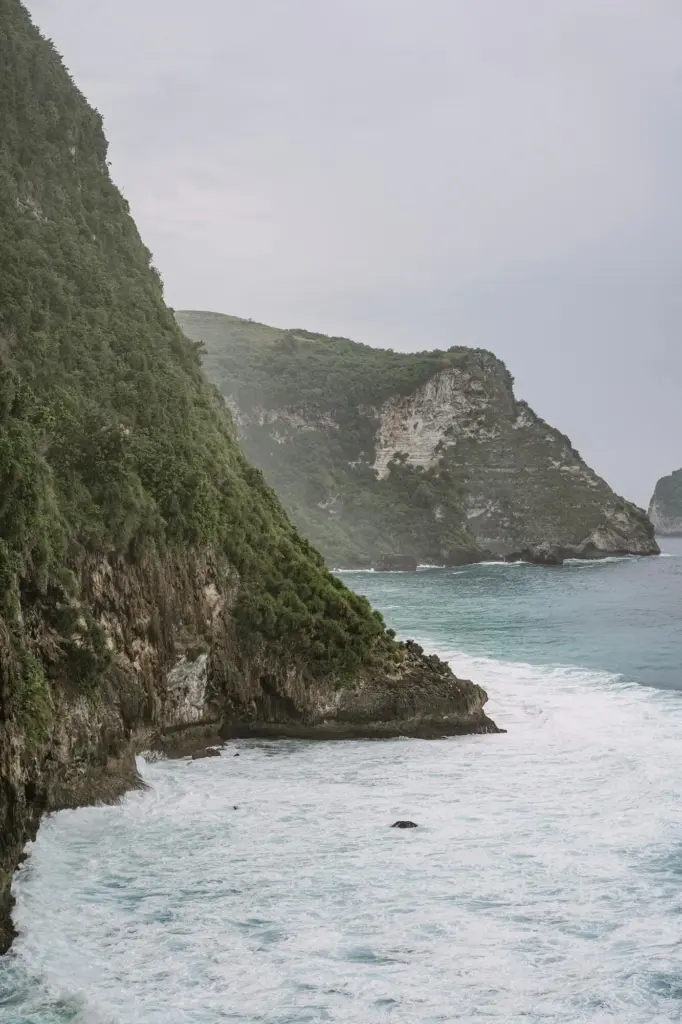
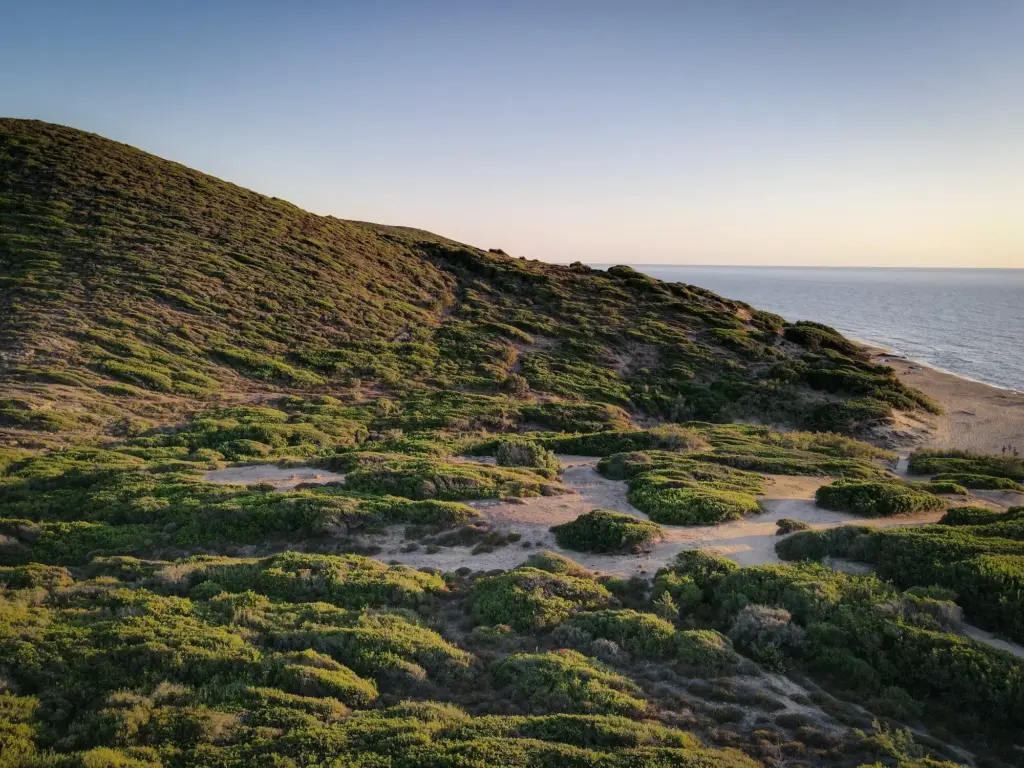
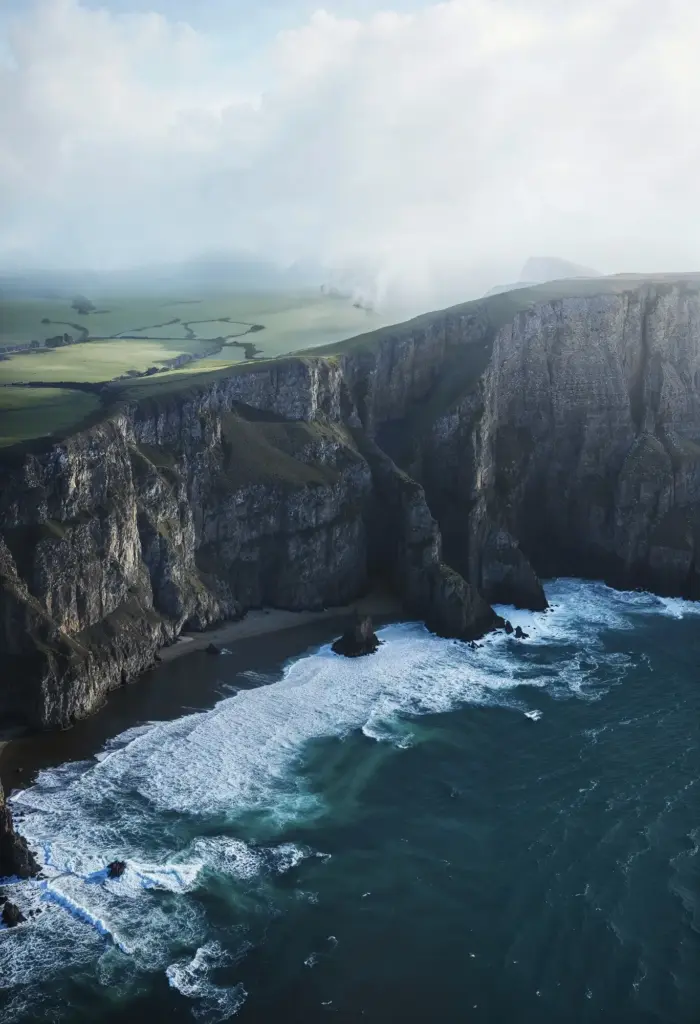
Flags, whitecaps, gull flight, and dancing grasses preview the next shove. Lift your chin, breathe, and let your core stabilize while arms stay supple. Present less side area by tucking knees and minimizing abrupt inputs. If a blast hits, accept the push then guide back smoothly. The cliff remains, the view remains, and your calm keeps control.
Cornering with Margin Near Drop-offs
Cliff edges tempt bravado, but visibility and traction rule. Set speed early, choose a clean line, and keep head and eyes scanning past the apex. Avoid mid-corner changes, especially on salted, sandy shoulders. Give extra buffer when tourists wander near guardrails. The reward is flow: a measured arc, lungs full of ocean, and exits that feel inevitable.
Group Signals and Spacing by the Sea
Group rides stretch thin along windy ridges. Use clear pre-agreed signals, longer following distances, and dedicated sweep roles. Stagger formation reduces surprise; hand gestures beat intercom dropouts. Stop where there’s room to re-form safely, not in cramped turnouts. A calm, communicative pack protects every rider’s day, letting each person dance with the gusts at their own rhythm.
Stops that Stay Forever: Lookouts, Lighthouses, and Clifftop Trails
Pack Light, Stay Warm: Gear That Loves Salt Air
01
Layers That Tame Coastal Microclimates
Start cool and build heat as the day brightens. Merino or technical base layers manage sweat when climbs turn strenuous, while a thin puffy and wind shell crush sudden chills along bluffs. Pack a neck gaiter for fog sting. Confidence rises when comfort holds; a steady core makes better choices when the road carves close to restless water.
02
Clear Vision in Salt Spray and Fog
Carry a microfiber cloth, visor inserts, and small squeegee for stubborn mist. Crack vents, avoid over-breathing at stops, and step back from spray at wave-battered railings. Keep a spare pair of clear lenses for late returns. Crisp sightlines reduce tension, sharpen lines, and turn sketchy corners into spacious invitations instead of cramped, uncertain puzzles beside the sea.
03
Small Kit, Big Confidence: Tools and First Aid
A compact kit with plugs, CO₂ or pump, basic wrenches, zip ties, and tape rescues days that would otherwise unravel. Add bandages, blister care, and electrolyte tabs. Practice quick repairs at home so cliffs don’t host your first attempt. The kit stays forgotten—until it doesn’t—and then it becomes the day’s quiet, heroic backbone.
Tell the Story: Photos, Notes, and Memories from the Edge
Composing Frames Without Leaving a Trace
Stay on durable surfaces and keep tripods away from crumbly ledges. Use leading lines—guardrails, road arcs, fence posts—to guide eyes toward surf drama without stepping into habitats. Underexpose slightly to preserve sky texture, then lift shadows later. The best images honor land, tide, and the quiet that riders and seabirds equally require to truly belong.
Quick Journaling at the Bike
On a tank bag card or phone note, capture wind strength, traffic mood, standout overlooks, and that café with the warm sourdough. Scribble what changed in you between mile markers. Later, these fragments rebuild the ride’s heartbeat, informing next weekend’s loop. Words refine instincts; instincts safeguard joy; joy becomes the compass pointing you back to the coast.
Sharing Responsibly: Geo-habits that Protect Fragile Places
Consider removing exact coordinates for tiny, sensitive turnouts. Offer principles—off-peak hours, leave-no-trace guidelines, wind awareness—instead of breadcrumbs to delicate perches. Celebrate stewardship alongside beauty, and invite newcomers to adopt the same care. Encourage comments with personal lessons learned, not trophy spots. A kinder culture keeps vistas wild, access open, and the ride’s magic accessible for years.
Taste the Coast: Cafés, Fish Shacks, and Locals’ Wisdom