Packing for Silence
A thermos that does not clank, a soft pouch for lenses, and soles that cushion gravel can turn a visit hushed and attentive. Add a trash bag for beach cleanups, a compact field guide, and a pencil to sketch wave patterns that map memory better than pixels.
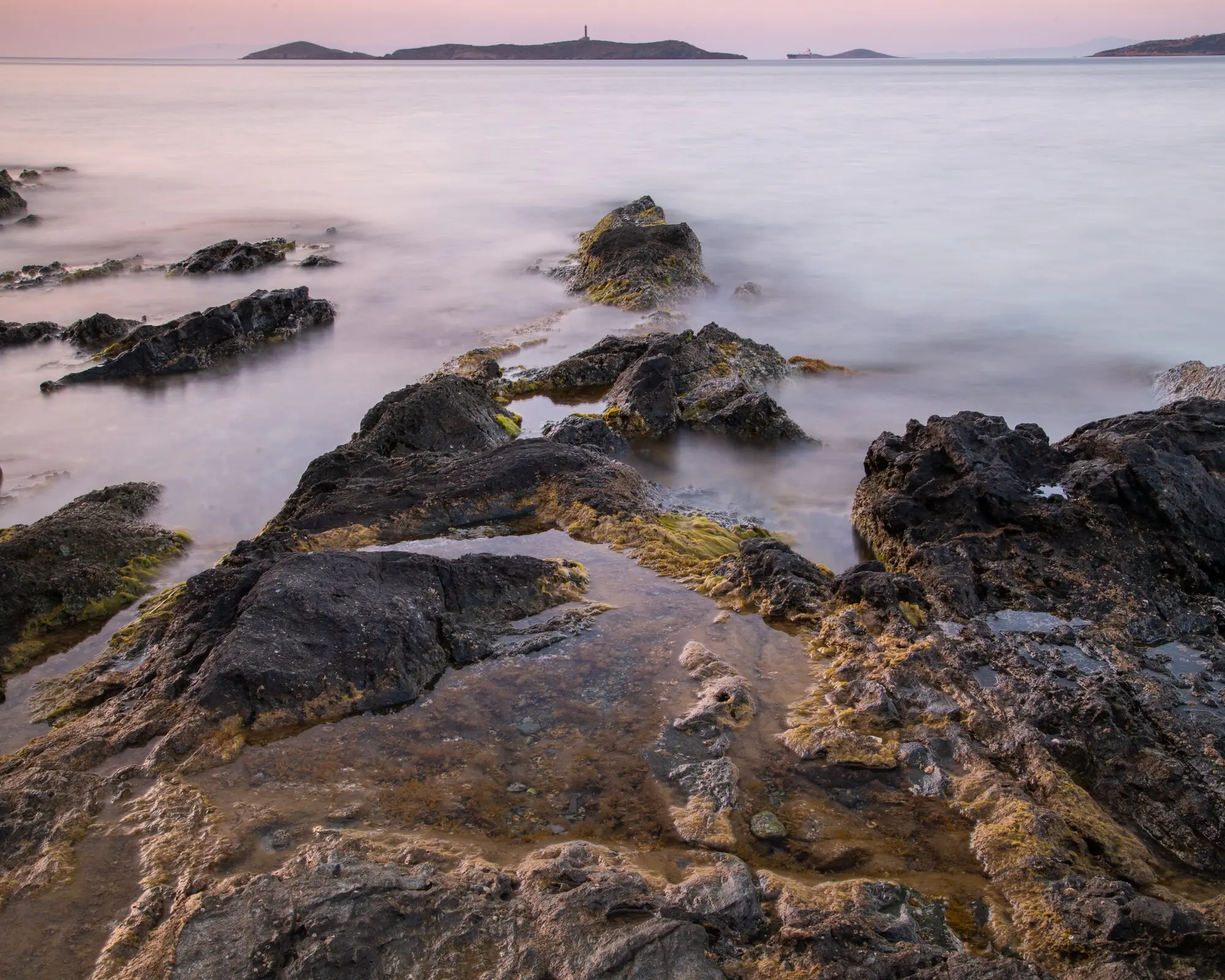
Two Wheels, Two Breaths
Where lanes narrow and parking strains, a bicycle becomes liberation. Pedal past hedgerows sweet with blossom, pause at overlooks cars never notice, and roll quietly into viewpoints without idling engines. Pack a lock, reflectors, and patience for hills that deliver sweeping horizons and pleasantly earned descents homeward.
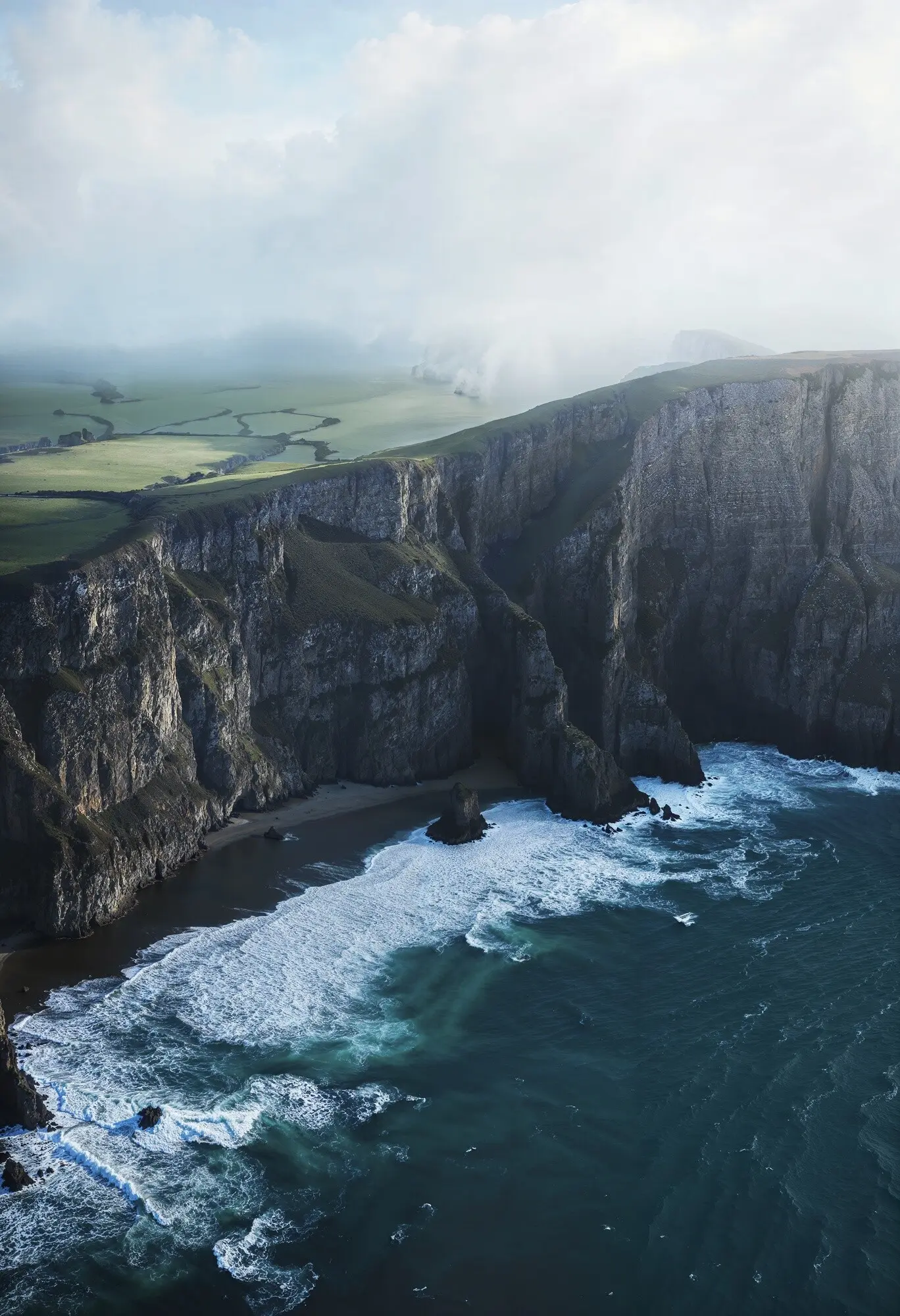
Paddling to the Past
In a sheltered estuary, a kayak stitches water-level threads between reeds and ruins, landing beneath stairways few visitors glimpse. Check wind forecasts, wear a PFD, and know your crossings. Approaching from the tide makes the first glimpse of the lantern feel like a greeting finally returned.