Wake to Waves: Camping and Overnight Parking by Cliff-Top Sea Vistas

Know the Rules Before You Park
01
Decode Coastal Regulations
Not all coastlines allow sleeping in vehicles or pitching shelters above the surf. Some limit stays to self-contained vans; others ban stoves during drought. Learn how jurisdictions define camping, parking, and day use, so your sunset spot does not become an unpleasant midnight knock.
02
Permits, Time Limits, and Quiet Hours
Many scenic pullouts require permits or enforce strict night windows to balance access with conservation. Track maximum stay lengths, rotating lay-bys, and seasonal closures. Respect quiet hours, headlight etiquette, and generator bans to keep neighbors, wildlife, and waves the only soundtrack after dark.
03
Reading the Land: Signs, Barriers, Local Clues
Small details carry big meaning at the edge. Wheel stops, fresh posts, or wind-felled fences may indicate erosion zones off-limits for safety. Ask anglers, surfers, or café owners where people responsibly stay, and avoid tight residential lanes where vans strain goodwill.
Setting Up a Safe, Wind-Wise Camp
Anchoring Tents Above the Swell
Stake deeply in mineral soil, not fragile plants, and back up anchors with sandbags or filled drybags tied low. Orient doors away from prevailing winds. Keep a conservative setback from the edge, because gusts can lift light gear and create dangerous distractions near exposure.
Leveling Vans on Uneven Ground
Carry robust leveling blocks and avoid stacking rocks that damage habitat or slip unexpectedly. Park nose to wind for stability and quieter sleep. Chock wheels, drop the handbrake only when safe, and confirm morning exit paths before night fog reduces visibility and options.

Reading Sky, Tide, and Stone

Wind and Gust Awareness
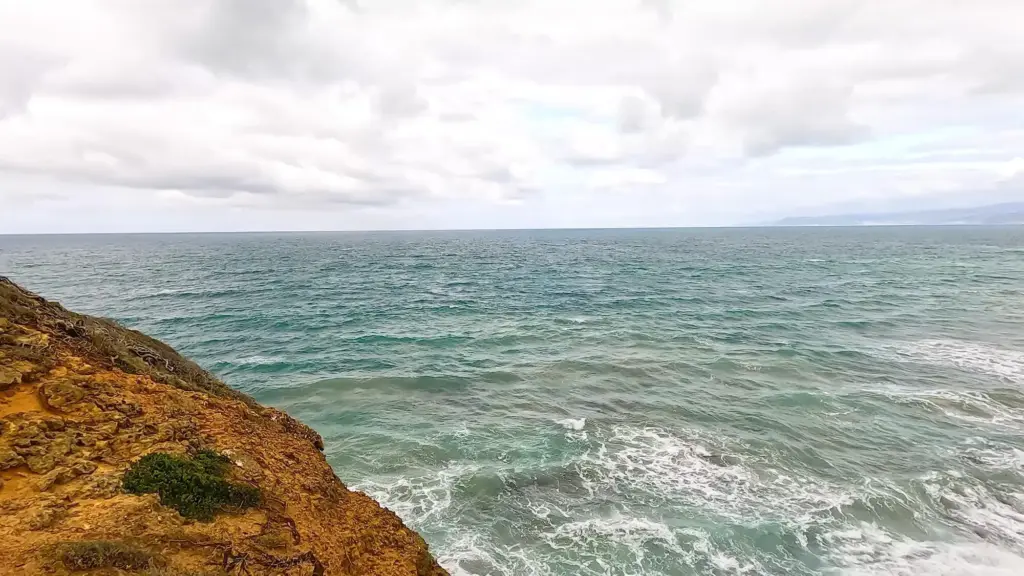
Tide Tables and Access
Comfort, Cooking, and Care for the Coast
Windproof Kitchens and Heat Safety
Waste, Water, and Greywater


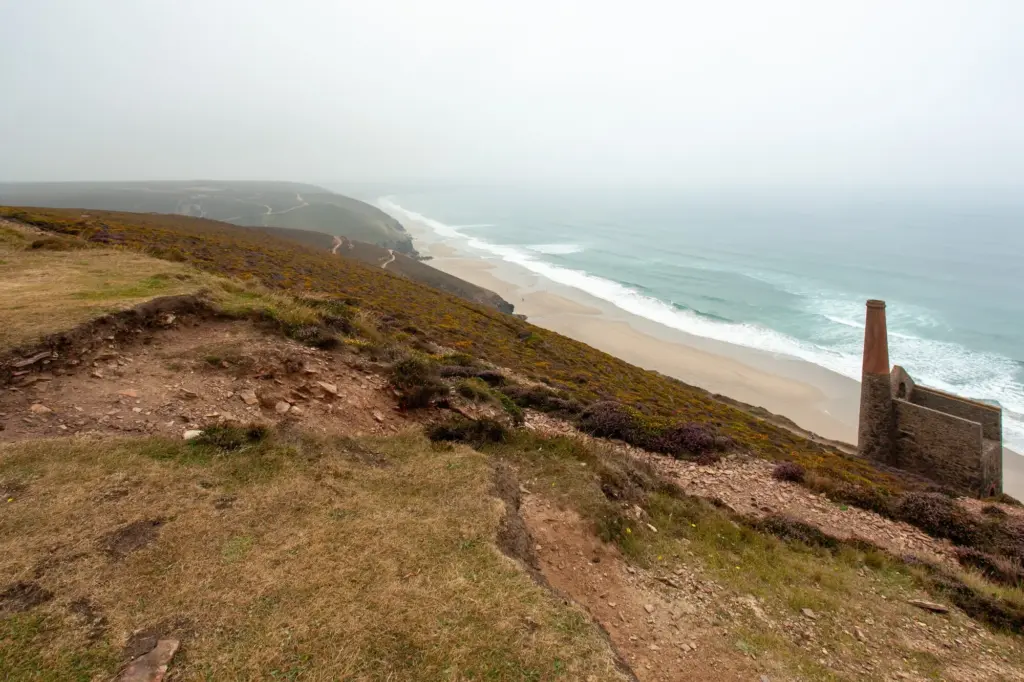
Sunrises, Framing, and Patience
Long Exposures over Surf
Night Sky, Lighthouses, and Courtesy
Share, Support, and Keep Access Open
Being a Good Neighbor Everywhere
Rotate spots to spread impact, buy pastries locally, and greet early risers with kindness. Offer spare water, lend blocks, and leave firewood neatly stacked where fires are legal. Small gestures secure welcomes tomorrow, proving travelers can be blessings rather than burdens beside the sea.
Reporting Problems Without Drama
If erosion, damaged fencing, or overflowing bins threaten safety or access, notify the appropriate authority calmly, sharing photos and exact locations. Avoid confrontations. Your quiet diligence protects everyone and keeps conversations constructive when policies evolve or crowds grow during peak seasons and holiday weather windows.